
Photographer Eric Lafforgue captured the other side of North Korea – the shocking extent of the deprivation suffered by the natives – and paid the price. North Korea’s leader Kim Jong Un was strongly opposed to anyone seeing these photos, so he asked Eric to delete the ‘offensive’ images that revealed the reality of the country – the brutal life people were forced to live, the isolated towns, and widespread poverty and malnutrition. When he refused and published the photos that showed the human side of North Koreans, and the autocratic nature of the communist state, he was banned for life from the country. Take a look at some of the most ‘offensive’ photos:
 A woman standing in the middle of a crowd of soldiers. This picture is
not supposed to be taken as officials do not allow army pictures.
A woman standing in the middle of a crowd of soldiers. This picture is
not supposed to be taken as officials do not allow army pictures.
 The North Korean officials hate when you take this kind of picture. Even
when I explain that poverty exists all around the world, in my own
country as well, they forbid me from taking pictures of the poor.
The North Korean officials hate when you take this kind of picture. Even
when I explain that poverty exists all around the world, in my own
country as well, they forbid me from taking pictures of the poor.
 When times are hard (as they usually are here), kids can be found working for the farming collectives.
 For a long time, bans against black market sales have been strictly
enforced. Grey market vendors are more common. They earn a little money
selling cigarettes or sweets
For a long time, bans against black market sales have been strictly
enforced. Grey market vendors are more common. They earn a little money
selling cigarettes or sweets
 Showing poverty is forbidden, but displaying wealth is also a big taboo
in North Korea. In a park on a Sunday afternoon, I found this car that
belongs to one of Pyongyang’s elite. The owners were having a BBQ.
Showing poverty is forbidden, but displaying wealth is also a big taboo
in North Korea. In a park on a Sunday afternoon, I found this car that
belongs to one of Pyongyang’s elite. The owners were having a BBQ.
 It is forbidden to take pictures of soldiers relaxing.
 It’s not a circus, they are workers in a country with low safety standards.
 Paranoia is strong in North Korean minds. I took this picture at a
funfair of a tired mother and child resting on a bench. I was asked to
delete the picture since the guides were certain I would have said those
people were homeless.
Paranoia is strong in North Korean minds. I took this picture at a
funfair of a tired mother and child resting on a bench. I was asked to
delete the picture since the guides were certain I would have said those
people were homeless.
 This is never supposed to happen: a broom standing on the base of Kim Il Sung’s statue in Mansudae, in Pyongyang.


When you visit families, the guides love it if you take pics to show the world that kids have computers. But when they see there is no electricity, then they ask you to delete.
 In the art centre of Pyongyang, we experienced a power outage, a daily
event the North Koreans hate to show. When it happens, they tell you
it’s because of the American embargo.
In the art centre of Pyongyang, we experienced a power outage, a daily
event the North Koreans hate to show. When it happens, they tell you
it’s because of the American embargo.
 The North Korean army is said to be one of the most important in the
world. But if you travel there, you’ll often see soldiers doing menial
tasks like helping farmers.
The North Korean army is said to be one of the most important in the
world. But if you travel there, you’ll often see soldiers doing menial
tasks like helping farmers.
 Outside urban areas, such a scene is fairly common.
 Pyongyang’s subway system is the deepest in the world as it doubles as a
bomb shelter. Someone saw me taking this picture and told me to delete
it since it included the tunnel.
Pyongyang’s subway system is the deepest in the world as it doubles as a
bomb shelter. Someone saw me taking this picture and told me to delete
it since it included the tunnel.
 A visit to a rural home. Those houses and the families who live there
are carefully selected by the government. But sometimes, a detail like a
bathroom used as a cistern shows that times are hard.
A visit to a rural home. Those houses and the families who live there
are carefully selected by the government. But sometimes, a detail like a
bathroom used as a cistern shows that times are hard.


Public transportation connecting the main towns is nearly non-existent. Citizens need permits to go from one place to another. On the highways, you can spot soldiers hitchhiking.


It is also forbidden to photograph malnutrition.
 When visiting the delphinium in Pyongyang, you can photograph the
animals, but not the soldiers who make up 99 per cent of the crowd.
When visiting the delphinium in Pyongyang, you can photograph the
animals, but not the soldiers who make up 99 per cent of the crowd.
 In a Christian church, this official was dozing off on a bench. You must never show the officials in a bad light.
 This soldier was sleeping in a field. This picture really contributed to me getting banned from the country.


When you visit families, the guides love it if you take pics to show the world that kids have computers. But when they see there is no electricity, then they ask you to delete.


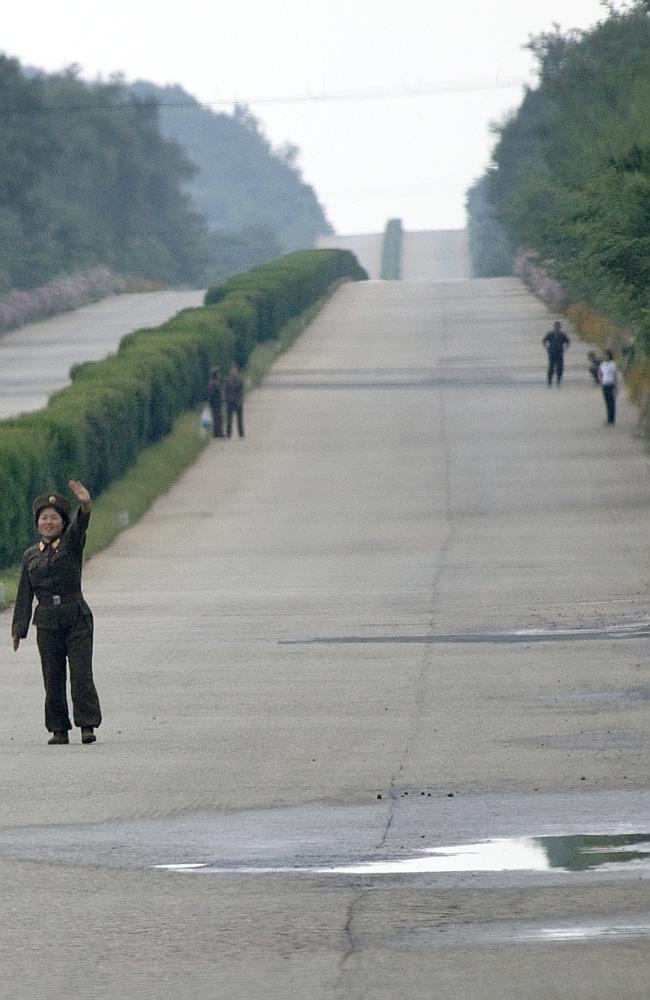
Public transportation connecting the main towns is nearly non-existent. Citizens need permits to go from one place to another. On the highways, you can spot soldiers hitchhiking.

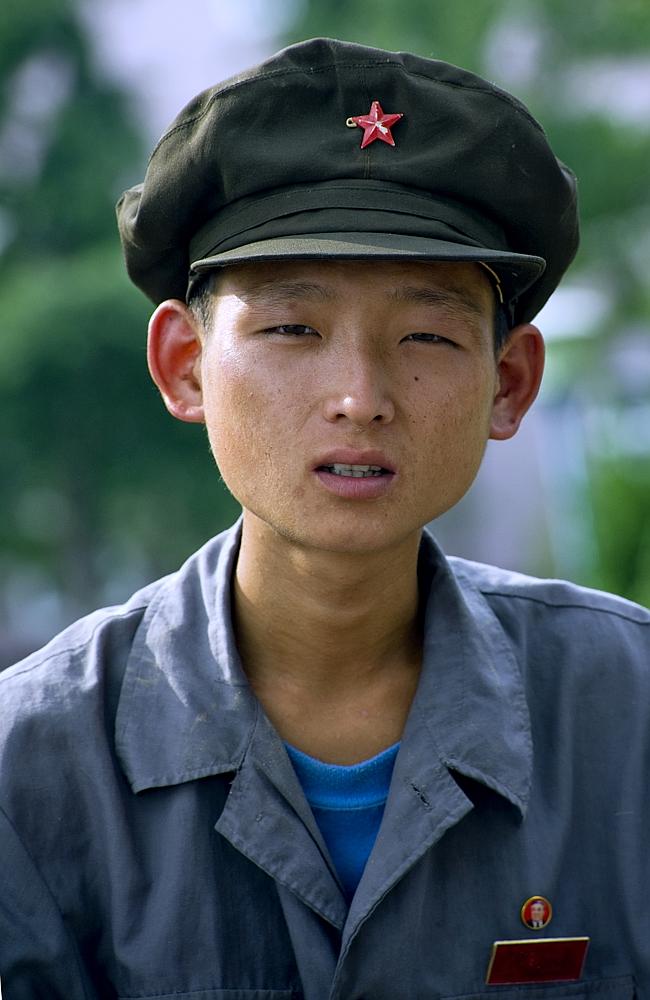
It is also forbidden to photograph malnutrition.


Comments
Post a Comment